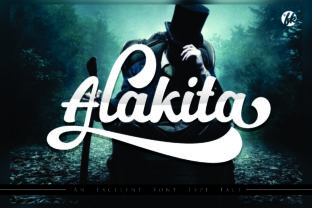
Alakita Font Review for Handmade Labels and Packaging
There is a specific moment in every product design session where the layout feels functional but lacks soul, and that was exactly where I found myself last Tuesday while finalizing a new line of soy candle labels. I had the dimensions set and the safety text aligned, but the product name felt flat until I installed Alakita, a jawdropping script font that immediately transformed the digital mockup into something that felt tangible and expensive. As a maker who constantly balances aesthetic beauty with production reality, testing this typeface on actual shop materials revealed that it is far more than just a pretty face; it is a versatile tool for creators who need their typography to carry the weight of their brand identity.
Customizing Candle Labels with Alakita Glyph Options
When designing for physical products like candles or jar labels, Alakita serves as a premium script handwritten option that offers remarkable flexibility through its extensive glyph options per character. In my testing, I wasn't just typing out "Lavender & Sage"; I was actively sculpting the word to fit the curved surface area of a 3-inch label without losing legibility. The ability to customize your typography across a wide range of projects became evident when I swapped standard characters for alternate glyphs to avoid awkward spacing between the ampersand and the scent name. This level of control is crucial for handmade sellers because it prevents the "default font" look that can make a product appear mass-produced rather than artisanal. On the printed label, the ink held crisp edges even at smaller point sizes, proving that this font translates beautifully from screen to substrate, provided you give the intricate swashes enough breathing room on your die-cut templates.
Alakita for Wedding Invitations and Elegant Stationery
For stationery designers and invitation creators, Alakita functions as one of those rare fonts that bridges the gap between traditional calligraphy and modern editorial design. I tested this specifically on a wedding welcome board mockup and a matching RSVP card suite, looking for that effortless flow that clients often request but rarely find in standard script fonts. The gorgeous nature of the letterforms adds an immediate layer of perceived value to paper goods, making digital downloads and printed templates feel significantly more luxurious. However, practical application requires restraint; while the font is stunning for names, titles, and short phrases, it is too decorative for dense logistical text like venue addresses or accommodation details. I found the best results came from pairing Alakita with a clean, lightweight sans serif font for the body copy, allowing the script to act as a visual anchor without overwhelming the reader or causing readability issues on textured cardstock.
Using Alakita Script Handwritten Font for Digital Printables
Creating digital assets like planner pages, wall art, or social media graphics requires a typeface that maintains its charm at various resolutions, and Alakita excels in this digital-first environment. When I designed a set of printable affirmations and a seasonal Instagram story template, the font’s high-contrast strokes remained sharp and vibrant against both white backgrounds and dark mode overlays. For Etsy sellers offering editable Canva templates or Corjl files, including a font with this level of personality can be a major selling point, as it allows customers to achieve a professional designer look without hiring one. It is important to note that because Alakita is so visually distinct, it works best as a display font for headers and focal points rather than long-form journaling prompts. In my digital tests, the ligatures connected smoothly without breaking pixelation when scaled up for large-format wall art, ensuring that the customer’s final print looks as polished as the listing preview.
Cutting Machine Readability for Alakita on Merchandise
Makers using Cricut or Silhouette machines know that not all script handwritten fonts survive the weeding process, but Alakita proved surprisingly robust during my vinyl sticker and tote bag tests. I created a batch of laptop decals and canvas bag designs to see if the thinner connecting lines would tear during transfer, and the font structure held up well as long as I avoided sizing it below 1.5 inches for complex words. The key to success here is utilizing the OpenType features to select simpler glyph variations for cut projects, reserving the most elaborate swashes for printed applications where durability isn't a concern. While it is a jawdropping script font for merchandise, I would advise against using it for intricate monograms intended for heat transfer vinyl on shirts, as the fine details can sometimes lift over time; instead, reserve Alakita for bold statements, shop logos, or packaging stickers where the adhesive has ample surface area to bond securely.
Licensing and Commercial Use for Handmade Business Branding
Before integrating Alakita into your shop’s permanent branding or product listings, verifying the commercial font licensing is as critical as testing the kerning. Many makers overlook this step, but understanding whether your license covers physical end products, digital templates, or logo usage protects your business from future legal headaches. During my review process, I appreciated that the font family includes multiple styles and alternates, which reduces the need to purchase additional add-ons for basic customization. For small business owners, this versatility means you can use the same typeface for your boutique tags, website headers, and thank-you cards, creating a cohesive brand identity that customers recognize instantly. Just remember that while Alakita is gorgeous for creative expression, it should always serve the function of the product first; if the fancy ligatures obscure the product name or make the price hard to read on a market stall sign, opt for the cleaner alternates to ensure your beautiful typography also drives sales.
Practical Pairing Tips for Alakita Typography
To get the most out of this typeface in real-world production, consider these tested combinations that enhance rather than compete with its personality:
- Minimalist Sans Serif: Pair Alakita with fonts like Montserrat or Lato for product descriptions and ingredient lists to ensure maximum readability on small packaging.
- Classic Serif: Combine with Garamond or Playfair Display for wedding invitations to add a touch of timeless tradition alongside the modern script.
- Bold Display: Use a heavy block font for sale announcements or category headers, letting Alakita handle the emotional, decorative accents.
- Simple Handwritten: For a layered, organic look on greeting cards, pair with a messy, casual scrawl font to contrast Alakita’s refined elegance.
Ultimately, Alakita is a powerful asset for crafters and designers who understand that typography is a tactile part of the handmade experience. Whether you are cutting vinyl for a custom tumbler or laying out a luxury wedding suite, the ability to customize your typography across a wide range of projects makes this font a worthwhile investment for elevating your creative output.